Signs It’s Time for a Residential Roof Replacement
A roof does not announce its failure with a single dramatic event. Instead, it sends quiet signals over months or years. Missing the early signs often leads to interior water damage, mold growth, and higher repair costs. Knowing what to look for helps you decide when a simple patch will do and when the roof has reached the end of its service life.
Most asphalt shingle roofs last between 20 and 30 years, depending on local weather, installation quality, and maintenance. If your roof is approaching that age range, you should start inspecting it at least twice a year and after every severe storm. The decision to replace rather than repair comes down to a few clear indicators.
Check the Roof’s Age and History
The first step is to find out how old the roof is. If you have the original paperwork from when the house was built or the roof was last replaced, check the date. If not, ask a roofing contractor during an inspection. Roof age is the single biggest factor in whether a replacement makes sense.
A roof that is past 20 years old may still look decent from the ground, but the materials underneath are often brittle. Shingles lose their flexibility. Sealants dry out and crack. The underlayment, which is the layer between the shingles and the roof decking, may start to fail. Once the underlayment is compromised, water can reach the wood structure below, leading to rot that is expensive to fix.
Look for Visible Curling, Cracking, or Missing Shingles
Walk around the house and examine the roof from all angles. Binoculars help if you do not want to climb a ladder. Look for shingles that are curling at the edges, cracking, or completely missing. Curling often means the shingles have lost their protective granules and are drying out. Cracking happens when the material has become too brittle to handle normal temperature swings.
Missing shingles are not always a crisis by themselves. A few can be replaced individually. But if you see widespread loss across multiple sections of the roof, the structure is likely past the point where spot repairs will hold. That kind of pattern suggests the entire roof covering has weakened.
Inspect the Granule Loss in Asphalt Shingles
Asphalt shingles have a surface layer of mineral granules that protect against UV rays and weather. Over time, those granules loosen and wash into the gutters. A small amount of granule loss is normal on a new roof as the shingles settle. Excessive loss, however, exposes the asphalt layer directly to sunlight. Once that happens, the shingles degrade faster.
You can check for granule loss by looking at the bottom of your downspouts or in the gutters after a heavy rain. If you see piles of granules, the shingles are shedding their protective coating. A roof in that condition is nearing the end of its life and will start leaking soon.
Watch for Leaks and Water Stains Inside the Home
The most obvious sign of roof trouble is a leak. Water stains on ceilings or walls, peeling paint, or damp spots in the attic all point to a roof that is no longer keeping water out. But leaks can be deceptive. A small stain on the ceiling might mean a large area of damaged roof decking above it. Water can travel along rafters before it drips, so the stain’s location does not always match the source of the leak.
If you find a leak, try to trace it to its origin during dry weather. Look for daylight coming through the roof decking in the attic. If you see daylight, the roof has a hole or gap that needs more than a patch. Widespread daylight in multiple areas is a strong signal that a full replacement is necessary.
Assess the Condition of Flashing and Ventilation
Flashing is the metal or rubber material that seals roof edges, valleys, and the areas around chimneys, vents, and skylights. Damaged or lifted flashing is a common entry point for water. Check the flashing for rust, cracks, or separation from the roof surface. If the flashing is failing in more than one spot, the rest of the roof is often in similar shape.
Good roof ventilation extends the life of the roof by allowing hot air and moisture to escape from the attic. If your roof lacks proper ventilation, the shingles can overheat and fail earlier than expected. Look for ridge vents, soffit vents, or gable vents. If you see none, or if the existing vents are blocked by insulation or debris, the roof is working harder than it should. Adding ventilation during a replacement can solve that problem for the long term.
Consider the Number of Existing Layers
Many homes have had a second layer of shingles installed over the original layer. That practice saves money upfront but adds weight to the roof and hides the condition of the original decking. If your roof already has two layers, you cannot add a third according to most building codes. The only option at that point is a tear off and full replacement.
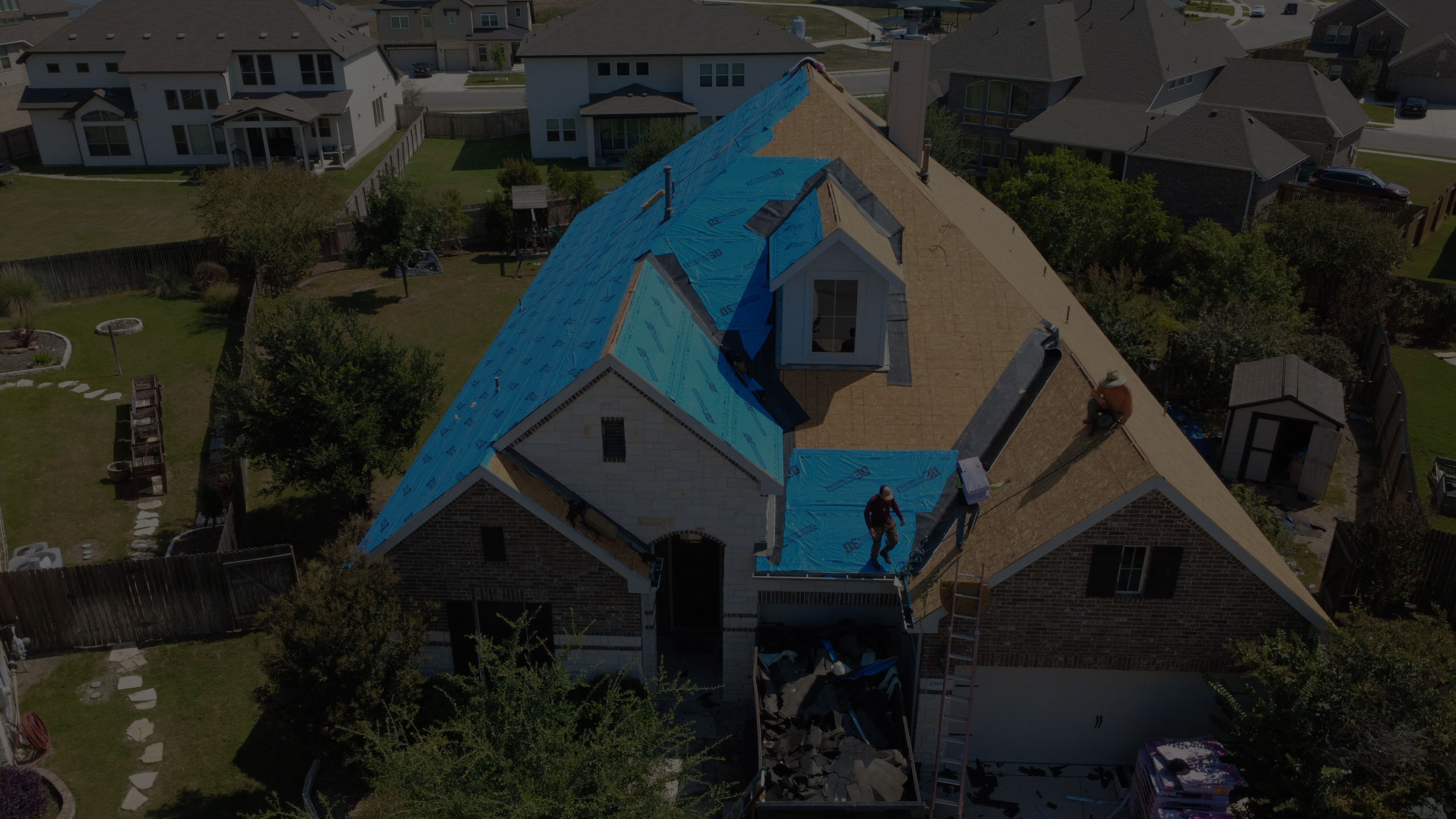
A tear off removes all old shingles and underlayment down to the roof decking. That gives the contractor a chance to inspect the wood for rot and repair it before installing new materials. If you do not know how many layers your roof has, a contractor can tell you by looking at the edge of the shingles or by checking the attic for signs of multiple layers.

When the time comes for a tear off, you are already planning a complete roof replacement. That is the point where repair stops making sense and replacement becomes the only lasting solution.
Evaluate Sagging or Soft Spots in the Roof Deck
Walk on the roof only if it is safe and you have proper footwear. Many roofs become soft or spongy underfoot as the decking rots. A soft spot means the wood has absorbed moisture and started to decay. That type of damage does not get better with a patch. The affected decking must be cut out and replaced before new shingles go on.
Regenesis Roofing & Restoration LLC is also on Instagram.
If you notice a sagging ridge line or a dip in the middle of a roof slope, the structural support underneath may be compromised. That is a serious problem that goes beyond the shingles. In that case, a full replacement with decking repairs is the only path forward.
Get a Professional Roofing Estimate
Once you have noticed several of these warning signs, the next step is to schedule a professional inspection. A roofing contractor can measure the extent of damage, check for hidden issues like mold or rot, and give you a clear estimate for either repairs or a full replacement. The inspection itself is usually low-cost or free, and it provides documentation you can use for insurance claims or home sale disclosures.
During the estimate, ask about the materials the contractor recommends. Some options, such as impact-resistant shingles or upgraded underlayment, may cost more initially but last longer in your climate. A good contractor will explain the trade-offs without pressuring you into a decision.
If you are planning a complete roof replacement, the estimate should include details about the tear off, new decking if needed, underlayment, starter shingles at the eaves, ridge cap installation, and proper ventilation. Each of those elements plays a role in how long the new roof will last.
Plan for Timing and Weather
Roof replacement is a major project that takes several days to a week, depending on the size and complexity of your roof. Plan the work during a stretch of dry weather. Spring and fall are ideal in most regions because temperatures are moderate and rain is less frequent. Summer heat can make the work harder on the crew and on the materials, while winter cold can affect how sealants and adhesives cure.

If you have an active leak, you may not have the luxury of waiting for perfect conditions. In that case, discuss temporary tarping with your contractor to protect the interior until the replacement can begin.
Regenesis Roofing & Restoration LLC, located at 2302 John Tee Dr, Cedar Park, TX 78613, USA, offers roof inspections, repairs, replacements, hail damage restoration, and storm-related roofing services in Cedar Park, Leander, and nearby North Austin communities. You can reach them at +1 512-674-5979 to discuss your roof’s condition and schedule an evaluation.
Knowing when to replace a roof comes down to a combination of age, visible wear, leaks, and structural condition. By checking each of those areas methodically, you can make an informed decision that protects your home and avoids unnecessary expense. If you are planning a complete roof replacement, the key is to act before the damage spreads to the interior of the house. Delaying the decision often turns a straightforward replacement into a more complex and costly repair job.